
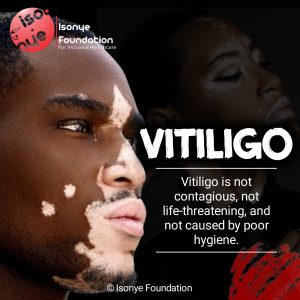
What is Vitiligo?
Vitiligo is a long-term skin condition that causes patches of skin to lose their colour or pigment. It happens when the body’s immune system mistakenly attacks melanocytes — the skin cells responsible for producing melanin (the pigment that gives our skin, hair, and eyes their colour).
These patches can appear anywhere: face, hands, arms, feet, lips, inside the mouth, scalp, and even the genitals. For some people, it starts small and spreads slowly. For others, it progresses faster.
Vitiligo is not contagious, not life-threatening, and not caused by poor hygiene.
What Causes Vitiligo?
~~~~~~~~~~~~~
The exact cause is still being studied, but here are the known factors:
¶ Autoimmune Response: The immune system attacks healthy skin cells.
¶ Genetics: A family history of vitiligo or autoimmune diseases increases risk.
¶ Triggers: Physical or emotional stress, sunburns, and skin injuries can sometimes trigger or worsen vitiligo.
¶ Other Conditions: People with thyroid issues, diabetes, or alopecia areata may be more prone to vitiligo.
It can begin at any age, but most people notice symptoms before 30.
How Common is Vitiligo?
According to the World Health Organization (WHO), 1% of the global population lives with vitiligo — that’s over 70 million people. In Nigeria, while official statistics are limited, dermatologists confirm that many cases go unreported, especially in rural areas where myths and stigma are still common.
Mental Health and Social Impact
~~~~~~~~~~~~~~~~~~~~~
In Nigeria and across Africa, vitiligo is deeply misunderstood. Many people wrongly associate it with:
• Witchcraft
• “Punishment from God”
• Leprosy
• Poor hygiene
Because of these harmful myths, people living with vitiligo often face:
• Stigma and rejection
• Bullying, especially in schools
• Discrimination in relationships or jobs
• Depression, anxiety, and low self-esteem
But here’s the truth: Vitiligo does not define your worth. It is a skin condition — not a character flaw.
Can Vitiligo Be Treated?
~~~~~~~~~~~~~~~
There’s no permanent cure yet, but there are several ways to manage it:
a. Medical Treatments
Note: Treatments vary in effectiveness and can take time. Always speak with a dermatologist or skin specialist.
b. Cosmetic Options
Makeup and camouflage creams to even out skin tone
Note: These don’t cure vitiligo but can boost confidence and emotional well-being.
c. Sun Protection
Vitiligo skin is more sensitive to sunburn. Use sunscreen, wear protective clothing, and avoid harsh sun between 10am–4pm.
~ Living Boldly with Vitiligo ~
Your skin may change, but your beauty, ability, and identity remain. Many people with vitiligo are standing tall and changing narratives, you can do same.
Vitiligo is not a limitation, but a reason to shine even brighter.
What Can Society Do?
~~~~~~~~~~~~~
′• Stop the stigma. Don’t judge people by their skin.
′• Educate others. Share accurate facts, not fear.
′• Promote inclusion. Schools, employers, families — everyone has a role.
′• Celebrate uniqueness. Vitiligo is just another way of being human.
~ A Word for You ~
If you’re living with vitiligo, know this:
You are strong, beautiful, and not alone.
The world needs your courage, your smile, and your voice. Your skin tells a story — a story of survival, not shame.
Let’s talk about vitiligo.
Let’s end myths, fight stigma, and promote love over fear.
Share this with someone who needs to know the truth.
#VitiligoAwareness
#IsonyeFoundation
#SkinDeepStrength
#InclusiveHealth
is a long-term skin condition that causes patches of skin to lose their colour or pigment. It happens when the body’s immune system mistakenly attacks melanocytes — the skin cells responsible for producing melanin (the pigment that gives our skin, hair, and eyes their colour).
These patches can appear anywhere: face, hands, arms, feet, lips, inside the mouth, scalp, and even the genitals. For some people, it starts small and spreads slowly. For others, it progresses faster.
Vitiligo is not contagious, not life-threatening, and not caused by poor hygiene.
What Causes Vitiligo?
~~~~~~~~~~~~~
The exact cause is still being studied, but here are the known factors:
¶ Autoimmune Response: The immune system attacks healthy skin cells.
¶ Genetics: A family history of vitiligo or autoimmune diseases increases risk.
¶ Triggers: Physical or emotional stress, sunburns, and skin injuries can sometimes trigger or worsen vitiligo.
¶ Other Conditions: People with thyroid issues, diabetes, or alopecia areata may be more prone to vitiligo.
It can begin at any age, but most people notice symptoms before 30.
How Common is Vitiligo?
According to the World Health Organization (WHO), 1% of the global population lives with vitiligo — that’s over 70 million people. In Nigeria, while official statistics are limited, dermatologists confirm that many cases go unreported, especially in rural areas where myths and stigma are still common.
Mental Health and Social Impact
~~~~~~~~~~~~~~~~~~~~~
In Nigeria and across Africa, vitiligo is deeply misunderstood. Many people wrongly associate it with:
• Witchcraft
• “Punishment from God”
• Leprosy
• Poor hygiene
Because of these harmful myths, people living with vitiligo often face:
• Stigma and rejection
• Bullying, especially in schools
• Discrimination in relationships or jobs
• Depression, anxiety, and low self-esteem
But here’s the truth: Vitiligo does not define your worth. It is a skin condition — not a character flaw.
Can Vitiligo Be Treated?
~~~~~~~~~~~~~~~
There’s no permanent cure yet, but there are several ways to manage it:
a. Medical Treatments
Note: Treatments vary in effectiveness and can take time. Always speak with a dermatologist or skin specialist.
b. Cosmetic Options
Makeup and camouflage creams to even out skin tone
Note: These don’t cure vitiligo but can boost confidence and emotional well-being.
c. Sun Protection
Vitiligo skin is more sensitive to sunburn. Use sunscreen, wear protective clothing, and avoid harsh sun between 10am–4pm.
~ Living Boldly with Vitiligo ~
Your skin may change, but your beauty, ability, and identity remain. Many people with vitiligo are standing tall and changing narratives, you can do same.
Vitiligo is not a limitation, but a reason to shine even brighter.
What Can Society Do?
~~~~~~~~~~~~~
′• Stop the stigma. Don’t judge people by their skin.
′• Educate others. Share accurate facts, not fear.
′• Promote inclusion. Schools, employers, families — everyone has a role.
′• Celebrate uniqueness. Vitiligo is just another way of being human.
~ A Word for You ~
If you’re living with vitiligo, know this:
You are strong, beautiful, and not alone.
The world needs your courage, your smile, and your voice. Your skin tells a story — a story of survival, not shame.
Let’s talk about vitiligo.
Let’s end myths, fight stigma, and promote love over fear.
Share this with someone who needs to know the truth.
#VitiligoAwareness
#IsonyeFoundation
#SkinDeepStrength
#InclusiveHealth
