
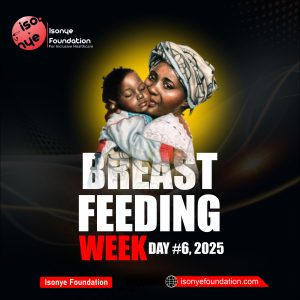
Breastfeeding and the Informal Economy:
Supporting Market Women, Artisans, and Self-Employed Mothers
When we think about working mothers, it’s easy to picture those with office jobs, maternity leave, and HR policies. But what about the market women, street vendors, fashion designers, hair stylists, and countless other self-employed women whose workplaces are open stalls, roadside shops, or their own living rooms?
These women make up a huge part of Nigeria’s workforce — the informal economy, which accounts for over 60% of employment in the country. Many are mothers with babies in tow. And many want to breastfeed, but face harsh realities that make it difficult.
The Challenges They Face:
~~~~~~~~~~~~~~~~~
No maternity leave – Most self-employed mothers return to “work” within days or weeks of giving birth, just to survive.
No safe spaces – There are no clean, private, or comfortable areas to breastfeed in most markets or public spaces. weStigma and cultural pressure – Breastfeeding in public still draws stares and judgement.
Lack of knowledge/support – Many don’t receive adequate breastfeeding counselling or support post-delivery.
Why It Matters:
~~~~~~~~~~
Breastfeeding is one of the simplest, most powerful ways to boost a child’s health and immunity.
Exclusive breastfeeding for the first 6 months can save lives, reduce infant illness, and support mental bonding.
When mothers in the informal sector are supported to breastfeed, entire communities benefit — because they are often the breadwinners and the backbone of neighbourhood economies.
What Can Be Done?
~~~~~~~~~~~~
Mobile Breastfeeding Clinics:
Health outreach services that visit markets and informal work areas with lactation consultants and nurses.
Market Maternity Corners:
Designated breastfeeding spaces in markets or public trading clusters — clean, shaded and safe.
Peer Support Groups:
Encourage community-led mother-to-mother breastfeeding support circles where they work or live.
These are not medical or official groups. They are usually formed by everyday women, like you and me, who may have gone through similar experiences and want to share what they’ve learned with others.
For an example, in a marke, 3 or 4 women who are breastfeeding meet regularly — maybe during a break or after the market closes. They talk, share advice, and encourage each other.
Financial Literacy + Health Education:
NGOs and public health workers can combine small-business training with maternal health tips, so women don’t have to choose between feeding their baby and earning income.
Media Awareness Campaigns:
Normalize breastfeeding in public through radio, street theatre, and local influencers who can speak their language and context.
As we mark the sixth day in the world breastfeeding week, while striving to provide breastfeeding knowledge and support for working parents, we cannot leave behind the women who hustle daily in our markets, sheds, and roadside shops. They deserve the knowledge, space, and support to breastfeed safely and with dignity.
Let’s reimagine a Nigeria where no mother has to choose between her baby’s nutrition and putting food on the table.
Please, Share to Support
Help spread awareness this #WorldBreastfeedingWeek.
#WorldBreastfeedingWeek2025
BreastfeedingInTheMarket
#SupportMothersEverywhere
#SheFeedsSheLeads
#InformalEconomyMums
#BreastfeedingNigeria
#HealthForAll
#IsonyeFoubation
